Chongqing, Wulong & Dazu Rock Carvings
China\'s most cyberpunk city, a natural limestone bridge formation that looks like Pandora, and 50,000 Buddhist statues carved into cliffs.
3-4 Days
China's most dramatic city, a natural wonder, and 50,000 Buddhist rock carvings.
Chongqing → Wulong → Dazu
Connected by high-speed trains. Chongqing is the gateway to the Yangtze River and eastern Sichuan.
Hongyadong, Three Natural Bridges, Dazu Carvings
An 11-storey cliffside complex, limestone arches from Transformers 4, and 1,000-year-old Buddhist art.
The Journey
Chongqing is China\'s most dramatic city — built on steep hills at the confluence of the Yangtze and Jialing rivers, with a skyline that rivals Hong Kong and a metro line that runs through a residential building. Wulong\'s Three Natural Bridges are colossal limestone arches featured in Transformers 4. Dazu Rock Carvings are 50,000 Buddhist, Daoist, and Confucian statues carved between the 7th and 13th centuries — less famous than Dunhuang but arguably more impressive in scale and preservation.
Day 1: Chongqing City
Morning: Ciqikou Ancient Town — a 1,000-year-old porcelain trading port with flagstone streets and river views. Afternoon: Hongyadong — an 11-storey stilt-house complex built into a cliff face, lit up like a Chinese fantasy film at night. Evening: Chongqing hot pot at a local place (NOT the tourist ones in Hongyadong). The real Chongqing hot pot is 90% chillies and 10% broth — locals say 'if you're not crying, it's not hot enough'.
Local tip: Hongyadong is beautiful but insanely crowded. The best view is from the Qiansimen Bridge across the Jialing River — you see the full cliffside complex without the crowds. Go at 8pm when the lights come on.
Day 2: Wulong Karst
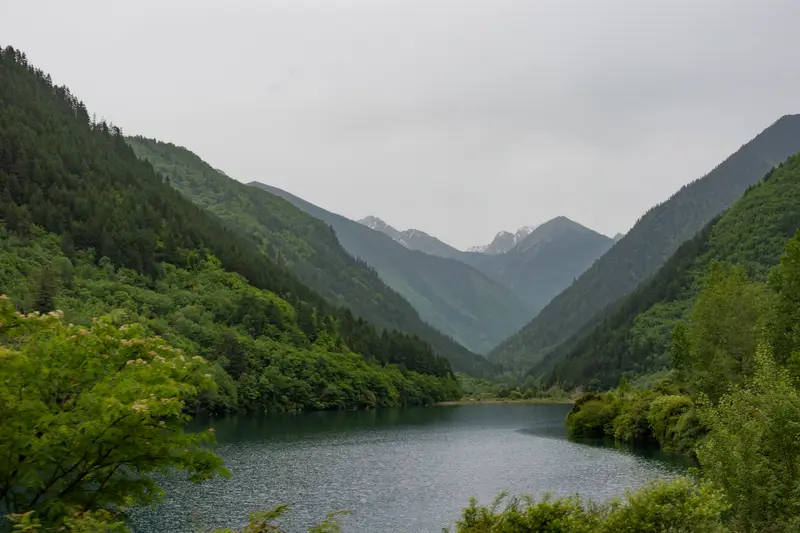
Take the 2-hour high-speed train from Chongqing North to Wulong. Wulong's Three Natural Bridges are three massive limestone arches — Tianlong (Sky Dragon, 235m high), Qinglong (Azure Dragon), and Heilong (Black Dragon) — spanning a 1.2 km gorge. You walk through the gorge floor looking up at arches big enough to fit a 30-storey building. The site also includes the Houping Giant Sinkhole, a 300m-deep limestone crater. Return to Chongqing by evening.
Local tip: Wulong requires an entrance ticket (including shuttle bus). The site was used as a filming location for Transformers: Age of Extinction (the scene where Optimus Prime fights the Dinobots). There's a (tacky) statue of a Transformer at the entrance.
Day 3: Dazu Rock Carvings
Take the 1-hour high-speed train from Chongqing West to Dazu, then a 30-minute bus to the carvings. The Beishan (North Hill) site has 10,000 statues from the late Tang dynasty (9th century) — intricate, graceful, and well-preserved. The Baodingshan (Treasure Top Mountain) site is the masterpiece: a 500m cliff face with 10,000 figures carved into a continuous narrative of Buddhist hell and paradise, created between 1174-1252 under the monk Zhao Zhifeng. The 'Hell Scenes' panel is gruesome and unforgettable.
Local tip: Dazu has a combined ticket for Beishan and Baodingshan, or Baodingshan alone — Baodingshan is the better site if you only have time for one. The carvings are exposed (no caves like Dunhuang) so visit on a clear day. The museum at Baodingshan is excellent for context.
Day 4 (optional): Chongqing Deep Dive
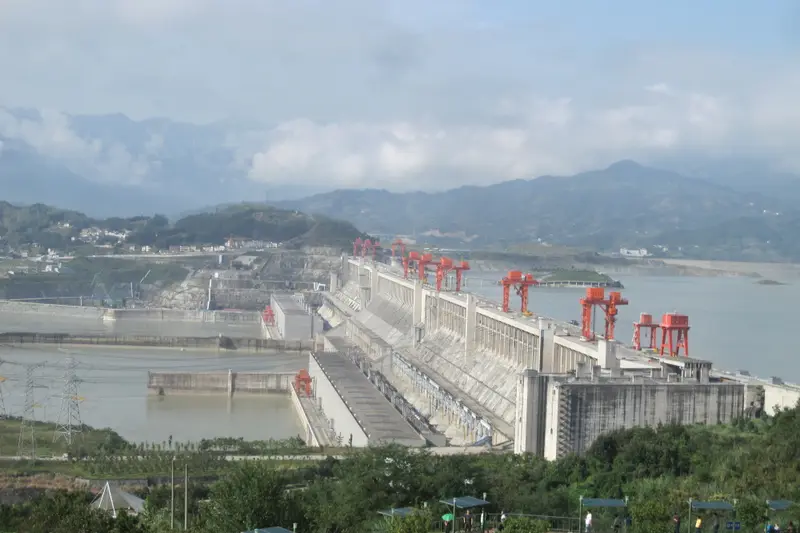
Morning: take the Yangtze River Cableway — a gondola across the river with skyline views. Visit the Three Gorges Museum (free, excellent overview of the Yangtze and the dam project). Afternoon: Eling Park for the best panoramic view of Chongqing's skyline. Evening: the 'ghost town' of Fengdu or prepare for your Yangtze cruise departure.
Local tip: The Yangtze Cableway queue is 30-60 min on weekends. Go before 9am or take it from the south bank (less busy direction). The Three Gorges Museum is genuinely world-class — budget 2 hours.
This is a suggested itinerary. Every journey we design is tailored to your interests, pace, and budget.
Ready to Plan Your China Journey?
Tell us about your dream trip. We will send you a personalized proposal — no obligation, no pressure.
Or call us: +44 20 XXXX XXXX