Xinjiang Travel Guide: Silk Road, Mountains & Desert
China's largest region — 1.6 million km² of Silk Road history, alpine lakes, and desert highways.
Why Xinjiang?
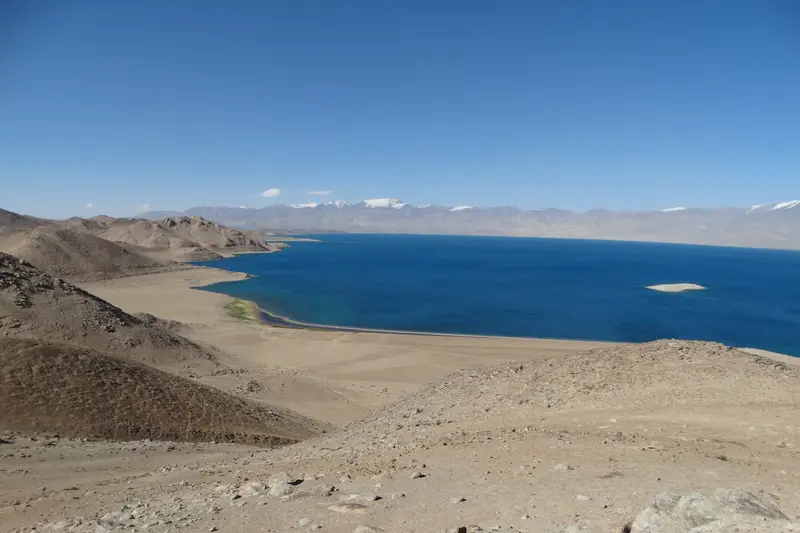
Most first-time visitors to China do Beijing, Shanghai, and Xi'an. That's a great trip — but it's also the same trip everyone does. Xinjiang is where you go when you want something completely different: Central Asian bazaars where vendors speak Uyghur, not Mandarin; alpine lakes at 3,600m that look like Switzerland; and the Karakoram Highway — one of the world's highest paved roads.
And yet Xinjiang feels undiscovered. The food is Central Asian — lamb skewers over charcoal, hand-pulled laghman noodles, and naan baked in tandoor ovens. The old town of Kashgar still feels like a Silk Road trading post. Domestic flights connect Urumqi to Kashgar in two hours, making a 10-day journey through the region surprisingly manageable.
Four Classic Xinjiang Routes
From a quick Silk Road highlights tour to a full northern loop
Classic Silk Road
7-10 daysHighlights: Heavenly Lake, Jiaohe Ruins, Kizil Thousand Buddha Caves, Kashgar Sunday Bazaar
Karakoram Highway
5-7 daysHighlights: Pamir Mountains, Karakul Lake at 3,600m, Tajik culture, Pakistan border
Northern Xinjiang Loop
8-12 daysHighlights: Kanas Lake, Hemu Village, Sayram Lake, Ghost City, Kazakh grasslands
Taklamakan Desert Crossing
5-7 daysHighlights: Taklamakan Desert, Hotan Sunday Market, desert highway, camel rides
What to Know Before You Go
Getting There & Around
Urumqi Diwopu International Airport (URC) has direct flights from Beijing (4 hrs), Shanghai (5 hrs), and several Central Asian capitals. Within Xinjiang, domestic flights are the most practical for long distances. High-speed rail connects Urumqi to Turpan (1 hr) and Korla (3 hrs). For the Karakoram Highway, you'll need a private vehicle with a driver — buses are unreliable and uncomfortable.
Permits & Paperwork
For most of Xinjiang (Urumqi, Turpan, Kashgar city, Korla), your standard Chinese visa or visa-free entry is sufficient. For the Karakoram Highway beyond Tashkurgan (toward the Pakistan border), Kanas Nature Reserve, and some Taklamakan Desert crossings, your hotel or tour operator handles the paperwork — they'll take a copy of your passport and visa and register you. This usually takes 1-2 hours.
Food You Must Try
Xinjiang food is Central Asian, not Chinese. Think lamb skewers (kawap), hand-pulled noodles (laghman), pilaf rice (polo), and naan bread baked in tandoor ovens. In Kashgar, the Sunday Bazaar food section is legendary — grilled lamb ribs, fresh pomegranate juice, and samsa (meat pies). If you eat one thing in Xinjiang, make it dapanji (big plate chicken) — a spicy chicken and potato stew served with hand-pulled noodles.
Internet & Connectivity
Xinjiang has the same Great Firewall restrictions as the rest of China, plus occasionally tighter mobile network controls in border areas. An international eSIM (see our eSIM guide) is the most reliable option — it routes through Singapore and bypasses local restrictions. A VPN (see our VPN guide) is essential for hotel WiFi. Do not expect consistent 4G in remote areas like the Karakoram Highway — download offline maps before you go.
Every Xinjiang itinerary we design is tailored to your pace, interests, and travel style. Tell us what moves you, and we'll craft a journey that's yours alone.
Ready to Plan Your China Journey?
Tell us about your dream trip. We will send you a personalized proposal — no obligation, no pressure.
Or call us: +44 20 XXXX XXXX