Shanghai, Hangzhou & Suzhou: The Golden Watertown Triangle
Shanghai\'s future-facing skyline, Hangzhou\'s timeless West Lake, Suzhou\'s classical gardens, and a water town frozen in the Ming dynasty — the Yangtze Delta in a week.
6-7 Days
The ideal first-timer's China trip — easy logistics, excellent infrastructure, and English signage everywhere.
Shanghai → Hangzhou → Suzhou
Three cities connected by 30-90 minute high-speed trains. Fly into Shanghai Pudong or Hongqiao.
The Bund, West Lake, Classical Gardens
China's most prosperous region — futuristic skylines, UNESCO lakes, and 2,500-year-old gardens.
The Journey
The Yangtze Delta is China\'s wealthiest and most developed region — but also one of its most beautiful. Within a 1-hour high-speed train radius you have Shanghai (the future), Hangzhou (the romance — Marco Polo called it \'the city of heaven\'), and Suzhou (2,500 years of classical gardens and silk). This route connects all three with a water town day trip. It is the ideal first-timer\'s China trip: easy logistics, excellent infrastructure, and English signage everywhere.
Day 1: Shanghai
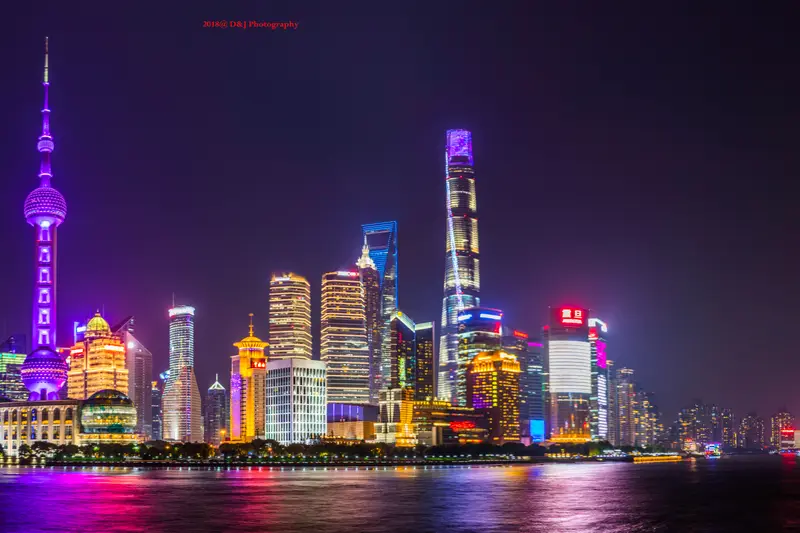
Start on the Bund (外滩) — the 1.5km riverside promenade with colonial buildings on one side and Pudong's futuristic skyline on the other. Walk south toward the Old City and enter Yuyuan Garden (豫园) — a 16th-century private garden of rockeries, pavilions, and carp ponds. Lunch: xiaolongbao (soup dumplings) at the Yuyuan branch of Nanxiang Steamed Bun Restaurant (est. 1900). Afternoon: Nanjing Road pedestrian street for the spectacle of Chinese consumerism, then the Shanghai Museum (free, book ahead). Evening: rooftop bar on the Bund for the skyline light show.
Local tip: The Bund is best at two times: early morning (6-7am, when locals do tai chi and the light is soft) and evening (6-7pm, when Pudong's lights come on). The evening light show starts at 7pm in summer, 6pm in winter. The Bund promenade gets packed at sunset — arrive 30 minutes early to claim a railing spot.
Day 2: Shanghai
Morning: the French Concession — tree-lined streets of 1920s lane houses (lilong), now filled with boutiques, cafes, and galleries. Rent a bike and cycle through Wukang Road, Anfu Road, and Wulumuqi Road. Visit the Propaganda Poster Art Centre — a private museum of Mao-era posters in a basement, one of Shanghai's most unique museums (small entry fee, closed Mondays). Afternoon: Tianzifang (田子坊), a maze of lane-house alleys turned into artist studios and craft shops. Evening: acrobatics show at Shanghai Circus World.
Local tip: The French Concession is best explored by bike — Shanghai has an excellent bike-share system (HelloBike, Meituan Bike). You will need Alipay to unlock bikes. The Propaganda Poster Art Centre is in the basement of an apartment building on Huashan Road — look for the small sign at the entrance. It closes at 4:30pm.
Day 3: Shanghai → Hangzhou
Take the 1-hour high-speed train from Shanghai Hongqiao to Hangzhou East. Check in, then head to West Lake (西湖). Walk the Su Causeway (苏堤) — a 2.8km tree-lined dyke crossing the lake, built in 1090 by Su Dongpo, the poet-governor of Hangzhou. Visit the Lingyin Temple (灵隐寺) — one of China's largest Buddhist temples, with grottoes of carved Buddha figures dating to the 10th century. Evening: Impression West Lake show, a nighttime spectacle of light, music, and dance on the lake, directed by Zhang Yimou (book ahead through your hotel).
Local tip: West Lake is free. The Su Causeway is best walked from north to south starting around 4pm — the afternoon light on the lake is beautiful and you will finish near the Leifeng Pagoda for sunset. Public bikes are available to circle the entire lake (12 km) in about 90 minutes — easily unlocked with Alipay.
Day 4: Hangzhou
Morning: Longjing tea village (龙井村) — the terraced tea fields where China's most famous green tea is grown. Walk the path from Longjing village to the China Tea Museum (free) through the plantations. Taste fresh Longjing tea at a farmer's house — they will brew a pot for you and you can buy directly from the grower. Afternoon: Xixi Wetland Park — a network of ponds, streams, and islets on Hangzhou's western edge. Take a traditional pole-boat ride through the wetlands. Evening: Hefang Street for Hangzhou snacks — dongpo rou (东坡肉, braised pork belly) and pianerchuan noodles (片儿川).
Local tip: Longjing tea has different grades. The best (Mingqian Longjing) is picked before the Qingming Festival (early April) and commands a premium — the leaves are hand-picked buds, each one a tiny unfurled spear. What farmers serve you at tastings is usually the lower-grade summer harvest, still fragrant and enjoyable. Buy tea at the village cooperative, not from touts at the bus stop.
Day 5: Hangzhou → Suzhou
Take the 1.5-hour high-speed train from Hangzhou East to Suzhou. Suzhou's classical gardens are UNESCO World Heritage — nine of them. You cannot see all nine. Visit two: the Humble Administrator's Garden (拙政园, the largest and most famous) and the Lingering Garden (留园, smaller and more intimate). Between gardens, walk Pingjiang Road (平江路) — a 1,600-year-old canal street lined with whitewashed Ming-Qing houses, tea houses, and silk shops.
Local tip: Suzhou gardens are at their best in rain — the dripping water, mist, and reflections are what the garden designers intended. Don't let rain stop you. The Humble Administrator's Garden opens at 7:30am — go at opening to experience it before the tour groups arrive at 9am. It transforms from a peaceful garden to a crowded theme park within 90 minutes.
Day 6: Suzhou → Water Town → Shanghai
Morning: choose one water town. Tongli (同里) is 30 minutes from Suzhou by metro — canals, stone bridges, and the Tuisi Garden (a UNESCO garden within the town). Zhouzhuang (周庄) is more famous and more touristy — but its double bridge and Shen Family House are genuinely beautiful. Both are half-day visits. Return to Suzhou, pick up bags, take the 30-minute train to Shanghai for your flight out the next day.
Local tip: All Yangtze Delta water towns are variations on the same theme: canals + Ming-Qing houses + stone bridges. Pick the one that is logistically easiest. Tongli is the closest to Suzhou (30 min by metro line 4). Avoid the water towns on weekends and Chinese holidays — the narrow lanes become impassable.
This is a suggested itinerary. Every journey we design is tailored to your interests, pace, and budget.
Ready to Plan Your China Journey?
Tell us about your dream trip. We will send you a personalized proposal — no obligation, no pressure.
Or call us: +44 20 XXXX XXXX